







The modern workplace is increasingly defined by distributed teams, where remote employees collaborate and contribute from diverse geographical locations. This shift towards virtual teams offers numerous advantages, including access to a broader talent pool, lower overhead costs, and increased flexibility for employees. However, managing these remote teams presents unique challenges that require thoughtful strategies and deliberate implementation.
This article explores key strategies for building high-performing virtual teams, promoting effective collaboration, and achieving organizational objectives despite physical distance.
1. Establishing Clear Communication Channels and Protocols

Effective communication forms the bedrock of any successful team, and its importance is amplified in a virtual setting. Without the spontaneous interactions of a shared office space, deliberate and structured communication strategies become paramount.
Defining Communication Norms and Expectations
Establishing clear guidelines for communication is crucial to prevent misunderstandings and ensure everyone is aligned. It includes specifying preferred communication channels for different types of information (e.g., email for formal updates, instant messaging for quick queries, video conferencing for discussions), expected response times, and protocols for escalating urgent issues. Incorporating transformation strategies for growth within these guidelines can further enhance team efficiency and adaptability. Documenting these norms and making them readily accessible to all team members fosters clarity and accountability.
Furthermore, consider the diverse communication styles and time zones within the team. Encourage team members to be mindful of these differences and communicate proactively, clearly stating their availability and any potential delays in their responses.
Regular check-ins and opportunities for informal communication, even virtually, can help bridge the physical distance gap and build stronger interpersonal connections.
Leveraging Diverse Communication Technologies
A plethora of communication tools are available to facilitate virtual collaboration, each with its strengths and weaknesses. Selecting the right mix of technologies is crucial for supporting different communication needs.
Video conferencing platforms enable face-to-face interactions, fostering a sense of connection and facilitating nuanced discussions. Instant messaging tools enable quick and informal exchanges, facilitating real-time collaboration and problem-solving.
Project management software provides a centralized platform for task management, progress tracking, and file sharing. Utilizing a combination of these tools, tailored to the specific needs and workflows, can significantly enhance communication efficiency and effectiveness.
Fostering Open and Transparent Dialogue
Creating a culture of open and transparent communication is vital for building trust and psychological safety within a virtual team. Encourage team members to share their ideas, concerns, and feedback freely, without fear of judgment.
Regular virtual team meetings that include clear agendas and provide opportunities for all team members to contribute can help facilitate open dialogue. Implement feedback mechanisms, such as regular surveys or one-on-one check-ins, to gather insights and address any emerging issues proactively. Leading by example, by being transparent in your communication, and actively listening to team members, sets the tone for a collaborative and communicative environment.
2. Building Trust and Team Cohesion in a Virtual Space
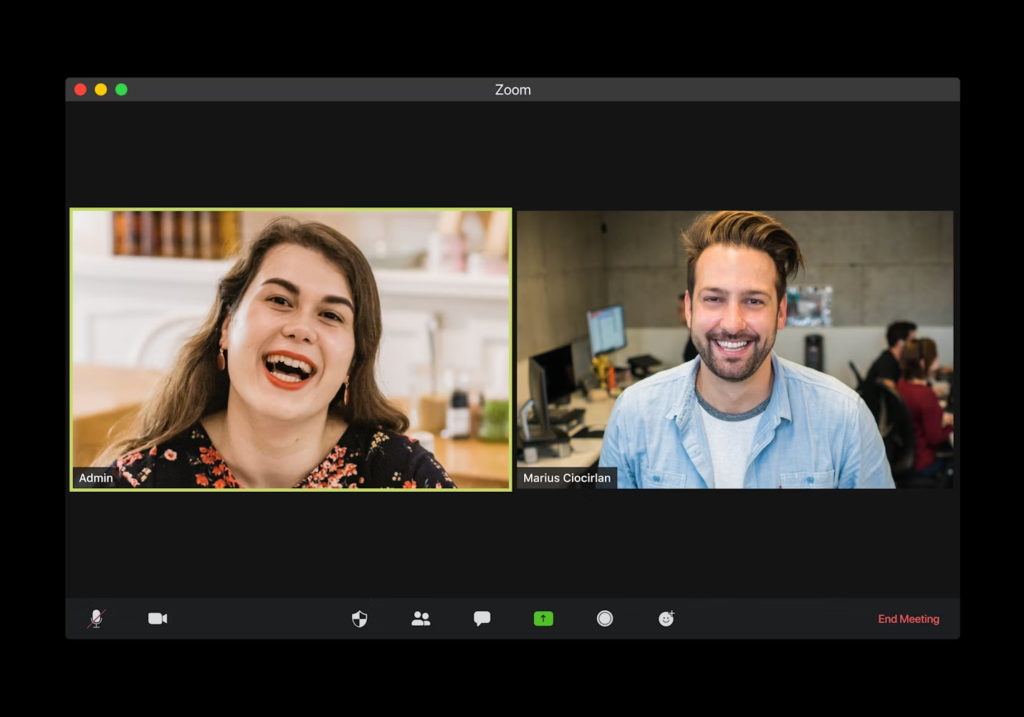
The absence of physical proximity can sometimes hinder the development of strong team bonds and trust. However, with intentional effort and well-designed strategies, virtual teams can cultivate a strong sense of camaraderie and mutual respect.
Establishing Shared Goals and Vision
A clear and compelling shared goal provides a unifying purpose for the team, transcending geographical boundaries. When team members understand how their contributions contribute to the larger organizational vision, they are more likely to feel connected and motivated.
Regularly communicate the objectives, progress, and impact to ensure transparency and accountability. Celebrate collective achievements and acknowledge individual contributions to reinforce the sense of shared success. Shared understanding and focus on common goals can foster a strong sense of belonging and purpose within the virtual team.
Creating Opportunities for Social Interaction
While virtual teams primarily focus on work-related tasks, itit’srucial to create opportunities for informal social interaction. These interactions help build rapport, strengthen relationships, and foster a sense of community.
Organize virtual social events, such as virtual coffee breaks, online games, or team-building activities during or after virtual meetings, to foster a sense of community. Encourage informal communication channels, like dedicated non-work-related chat groups, where team members can connect on a personal level. These initiatives help to humanize virtual interactions and build stronger interpersonal bonds.
Promoting Psychological Safety and Inclusion
Creating a psychologically safe environment where team members feel comfortable expressing their opinions, taking risks, and admitting mistakes is essential for fostering trust and innovation. In a virtual setting, this requires conscious effort to ensure everyone feels heard and valued.
Actively solicit input from all team members, regardless of their location or seniority. Establish clear guidelines for respectful communication and address any instances of disrespectful behavior promptly and effectively. Promote inclusivity by acknowledging and celebrating the diverse backgrounds and perspectives within the team. When individuals feel safe and included, they are more likely to contribute their best work and engage fully with the team.
3. Defining Clear Roles, Responsibilities, and Expectations

In a virtual environment, where direct oversight may be less frequent, clearly defined roles, responsibilities, and expectations are crucial for ensuring accountability and preventing confusion.
Documenting Individual and Team Responsibilities
Clearly defining the responsibilities and deliverables for each team member is essential for effective collaboration. This information should be documented in a way that is easily accessible to everyone and reviewed regularly. By doing so, team members can gain a deeper understanding of their roles and how their contributions align with the overall objectives.
To further enhance clarity, tools like RACI matrices (Responsible, Accountable, Consulted, Informed) can be used to assign roles for specific tasks and projects. These tools help eliminate confusion by clearly outlining who is involved and in what capacity. By minimizing ambiguity, teams can maintain a more streamlined and efficient workflow.
Setting Measurable Goals and Performance Indicators
Establishing clear and measurable goals, along with key performance indicators (KPIs), provides a framework for evaluating individual and team performance. These metrics should be aligned with the overall organizational objectives and communicated transparently to the team.
Regularly track progress against these goals and provide constructive feedback to team members. Recognizing achievements and addressing performance gaps in a timely and supportive manner helps to maintain accountability and drive continuous improvement.
Establishing Clear Processes and Workflows
Well-defined processes and workflows are crucial for maintaining consistency and efficiency in virtual teams. By documenting key procedures, such as task assignments, approval steps, and communication protocols, teams can streamline operations and minimize misunderstandings. Clear documentation ensures that everyone understands their roles and responsibilities, keeping the team aligned and productive.
Using project management tools can further enhance workflow efficiency by visualizing tasks, tracking progress, and managing dependencies. To keep these processes effective, teams should regularly review and refine them based on feedback and performance data. Continuous optimization ensures the workflows adapt to the evolving needs of a virtual work environment.
4. Empowering and Supporting Virtual Team Members

Managing a virtual team involves empowering individuals to take ownership of their work and providing them with the necessary support to succeed.
Fostering Autonomy and Ownership
Trusting virtual team members to manage their time and tasks effectively is essential for building autonomy and ownership. While it’s important to provide resources and support, micromanaging can undermine confidence and independence. Clear communication and trust go a long way in fostering a productive and collaborative virtual work environment.
Delegating tasks clearly and empowering team members to make decisions within their areas of responsibility encourages accountability. Recognizing and rewarding initiative and proactive problem-solving can further boost motivation. When team members feel trusted and valued, they are more likely to remain engaged and committed to their work.
Providing Necessary Resources and Tools
Virtual team members need access to the right tools and resources to perform their tasks effectively. It includes reliable internet, suitable hardware, and necessary software to ensure smooth operations. They should also have access to shared documents and platforms relevant to their projects, enabling seamless collaboration. Providing these essentials ensures that team members can focus on their work without unnecessary technical barriers.
Equally important is offering proper training and ongoing technical support to help team members use these tools efficiently. Regularly assessing their needs and updating resources as required fosters productivity and adaptability.
By investing in the right technology and ensuring its effective use, organizations demonstrate their commitment to success. This approach not only enhances performance but also builds trust and confidence within the virtual team.
Offering Opportunities for Professional Development
Supporting the professional growth of virtual team members is key to improving retention and engagement. To achieve this, provide access to online training courses, webinars, virtual conferences, and mentorship programs. These opportunities not only expand their skill sets but also show your commitment to their personal and professional development.
When team members feel supported, they are more likely to remain engaged and motivated in their roles. Encouraging knowledge-sharing among virtual team members is another effective approach. Offer platforms for them to lead internal presentations or host virtual workshops, fostering collaboration and cross-learning.
It not only strengthens their expertise but also helps create a sense of community within the team. By prioritizing growth opportunities, you build a more skilled, cohesive, and engaged virtual workforce.
5. Adapting Leadership Styles for Virtual Environments

Leading a virtual team requires a shift in leadership style, emphasizing communication, empathy, and trust over direct physical oversight.
Emphasizing Communication and Active Listening
Virtual leaders must be effective communicators, able to clearly convey information across various digital channels, including email, video calls, and messaging platforms. Since virtual communication lacks the nuances of face-to-face interaction, clarity is crucial to avoid misunderstandings. Active listening is equally important for understanding team perspectives and concerns, especially in remote settings where nonverbal cues are absent. Leaders should focus on what is being said and encourage open dialogue to foster trust.
To maintain strong relationships, schedule regular one-on-one check-ins with team members. These meetings provide an opportunity to discuss goals, address challenges, and express appreciation for their contributions. Also, tailor your communication style to fit the preferences of your team. Whether someone prefers detailed updates or summaries, adapting your approach shows respect and inclusivity, key to building cohesive virtual teams.
Practicing Empathy and Understanding
Understanding the challenges of remote work is vital for effective virtual leadership. Remote team members may face feelings of isolation, the need for flexibility, and blurred work-life boundaries. Leaders must be empathetic to these unique struggles and create an environment where team members feel supported and valued.
By addressing these challenges proactively, leaders can foster a sense of connection and belonging within their virtual teams . Providing support when personal or technical issues arise is crucial to building trust. Encouraging a culture of work-life balance and promoting healthy boundaries helps team members maintain their well-being.
Empathy and understanding go a long way in strengthening relationships within the team. A strong leader who prioritizes these values creates a more engaged and productive virtual workforce.
Fostering a Culture of Trust and Accountability
Trust is essential for effective virtual team management. Leaders need to have confidence in their team members to handle their responsibilities and fulfill their commitments without constant oversight. At the same time, team members should feel a sense of accountability for their contributions to the success. Building this mutual trust forms the foundation for a productive and collaborative virtual work environment.
To foster trust, leaders should establish clear expectations and performance metrics, ensuring everyone understands their goals. However, excessive monitoring or micromanagement can quickly erode trust and hinder performance. Instead, focus on outcomes and results rather than simply tracking activity. By fostering a culture of trust and accountability, leaders empower virtual teams to perform at their best and achieve shared objectives.
Final Thoughts
Managing virtual teams requires a conscious and multifaceted approach. By prioritizing clear communication, fostering trust and cohesion, defining roles and responsibilities, empowering team members, and adapting leadership styles, organizations can unlock the full potential of their remote workforce.
While the challenges of managing across distances are real, the opportunities for innovation, flexibility, and access to a global talent pool make mastering these strategies an essential imperative for success in the evolving work landscape.
By embracing these principles, organizations can cultivate high-performing virtual teams that not only meet but exceed their goals, paving the way for a more agile and resilient future.